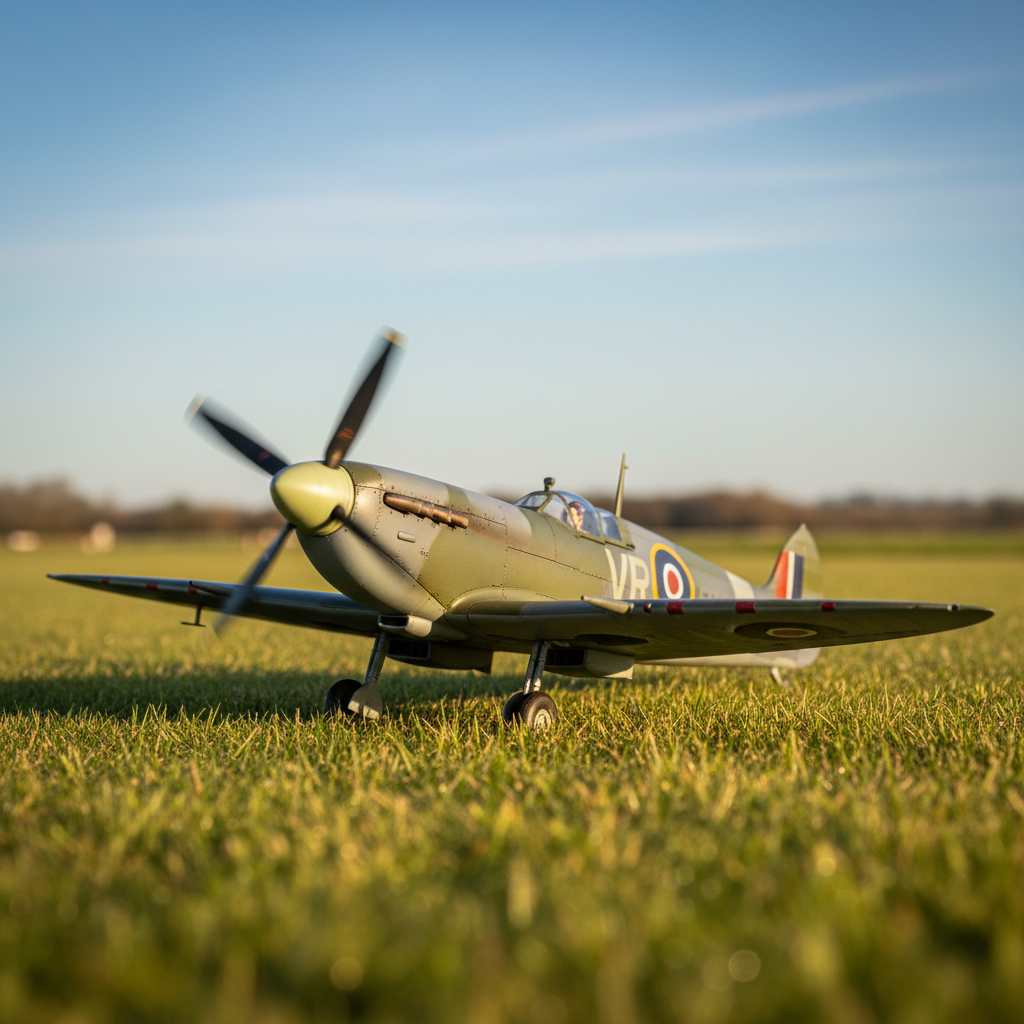

A finished Supermarine Spitfire scale model sitting on a sunlit grass runway, propeller frozen mid-arc, riveted cowling razor-sharp against soft bokeh background
BALSA

Volume XII — The Art of Building What Flies

Featured Build

Spitfire Mk.IX — From
Raw Sheet to Runway Ready

Portrait of Robert Caldwell, master scale builder
Robert CaldwellMaster Scale Builder · AMA Judge
18-month build log · 112 photos68" wingspan · .60 OS engine
Scroll
01 — Build Logs

From First Cut to
Final Inspection

Follow builders through every sawdust-covered step — from the moment balsa sheet meets X-Acto blade to the nervous first flight.

Browse All 847 Logs
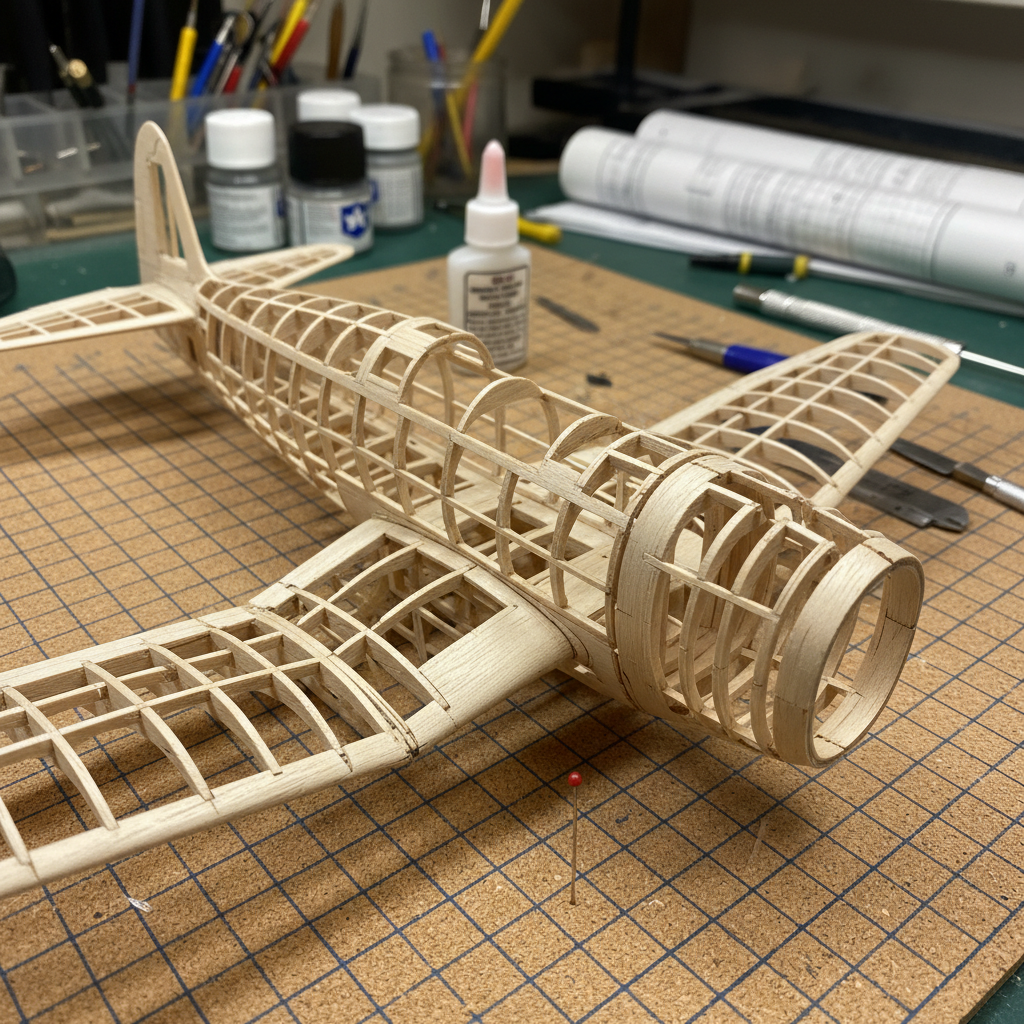
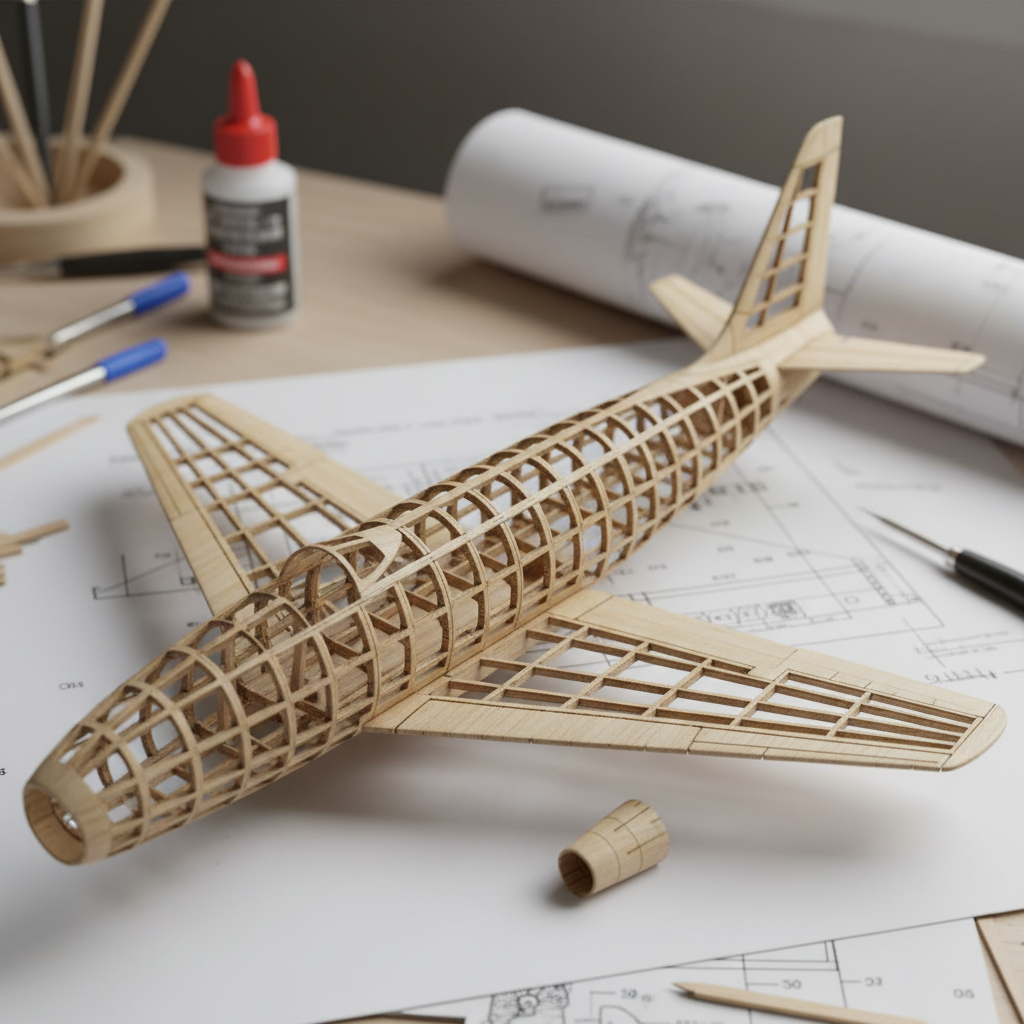
Balsa wood skeleton frame of a P-47 Thunderbolt model airplane, showing raw wood ribs and formers on a building board
Raw Frame
Completed P-47 Thunderbolt scale model with natural metal finish, parked on grass runway in bright sunlight
Finished
WWII WarbirdComplete

P-47 Thunderbolt — Natural Metal Finish

Achieving a convincing natural metal finish on a 1/5-scale Thunderbolt using bare-metal foil over MonoKote base. Every rivet line hand-tooled.

Duration14 months
Wingspan112"
EngineSaito FA-200
Dale KowalskiContest Pilot · AMA Scale Expert
47Updates
312Photos
Last update: 3 days agoFollow Build
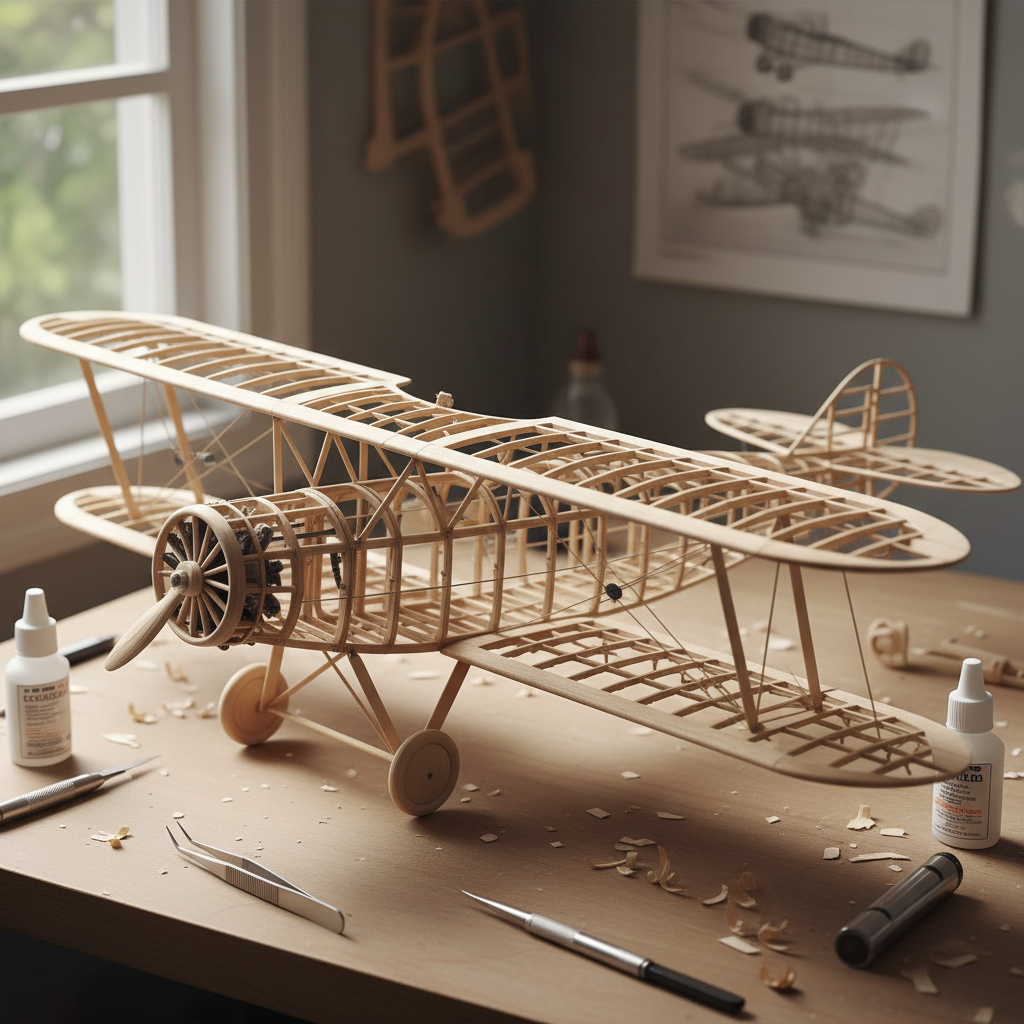
Curtiss Jenny JN-4D balsa wood frame showing biplane wing structure and fuselage formers before covering
Raw Frame
Golden AgeCovering

Curtiss Jenny JN-4D — Tissue & Dope

Traditional tissue-and-dope covering on a 1/4-scale Jenny. Each bay hand-sewn before doping. The smell of butyrate fills the workshop every weekend.

Duration22 months
Wingspan72"
EngineOS .40 FP
Margaret ThorntonScratch Builder · 30 Years
63Updates
448Photos
Last update: 1 week agoFollow Build
F-86 Sabre scale model balsa wood skeleton showing swept wing construction and fuselage formers
Raw Frame
Modern JetPainting

F-86 Sabre — Korean War Markings

First serious scratch build after five ARF kits. Using the Sabre as a proving ground for proper rib-and-spar wing construction. Slow but the lessons are sticking.

Duration8 months
Wingspan58"
EngineElectric — 6S LiPo
James OkaforSport Pilot · First Scratch Build
28Updates
187Photos
Last update: 2 weeks agoFollow Build

"The best build log isn't the one with the perfect model — it's the one that shows every mistake and how it was fixed."

— Dale Kowalski, AMA Scale Expert Judge
02 — Photo Hangar

Community
Flight Shots

14,200 builders, one shared airfield. Submit your best shot and see it published in the next issue.

Submit Your Photo
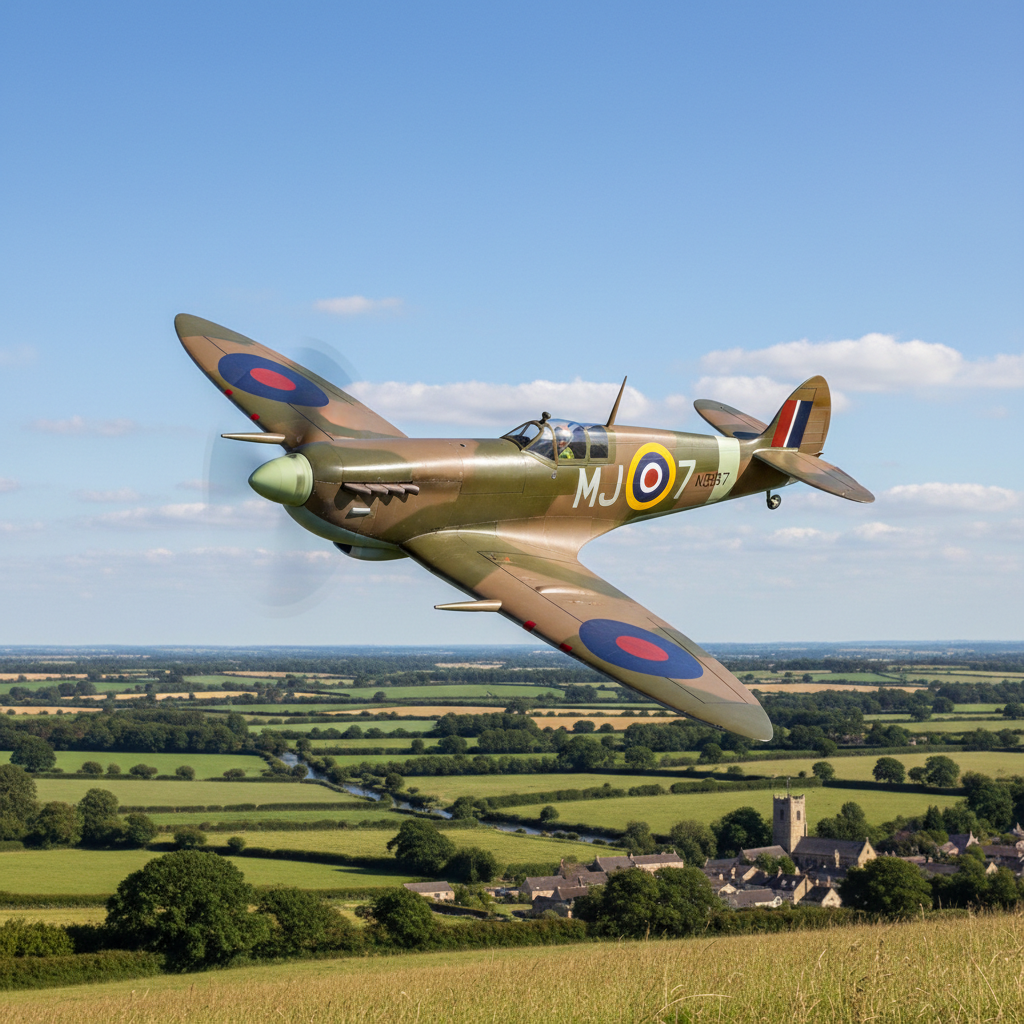
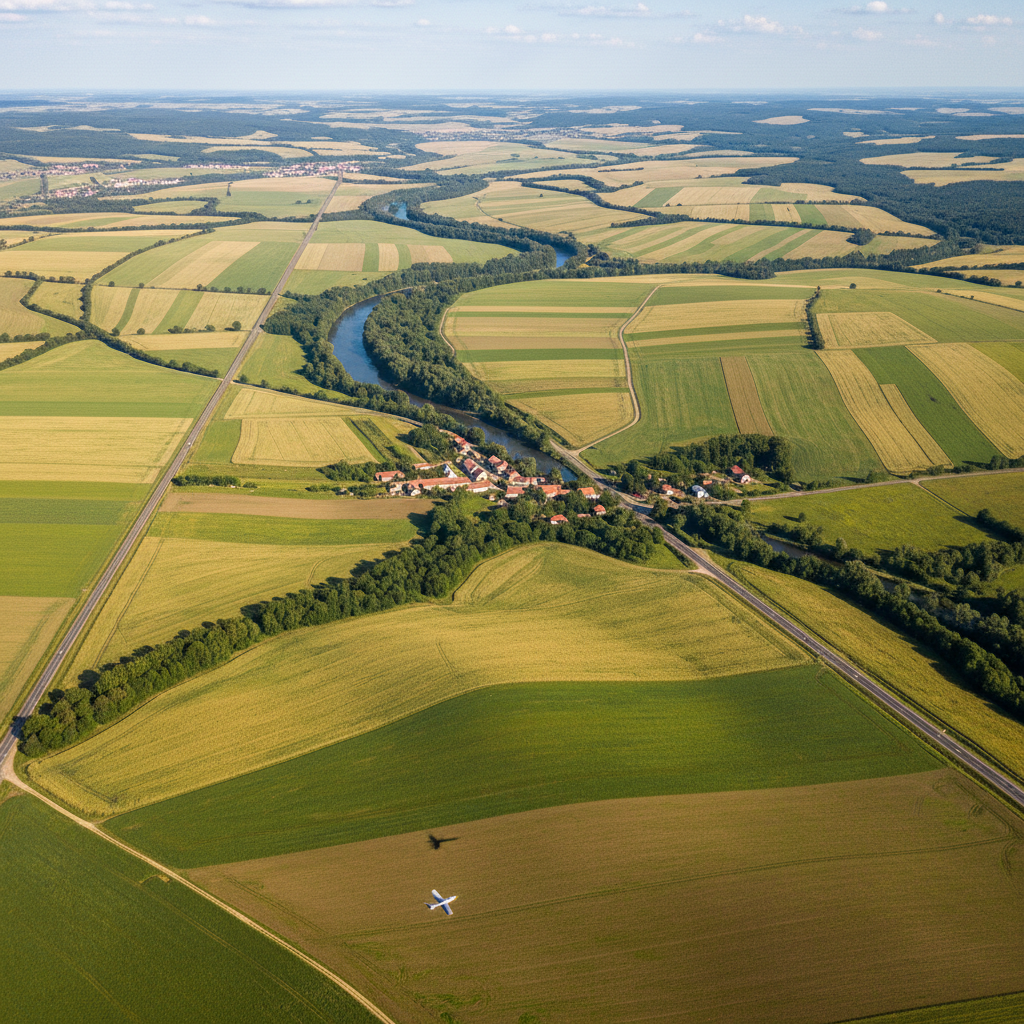
Scale Spitfire RC model in flight over green English countryside, sunlight catching the elliptical wings
In FlightSpitfire Mk.IXR. Caldwell · Duxford, UK
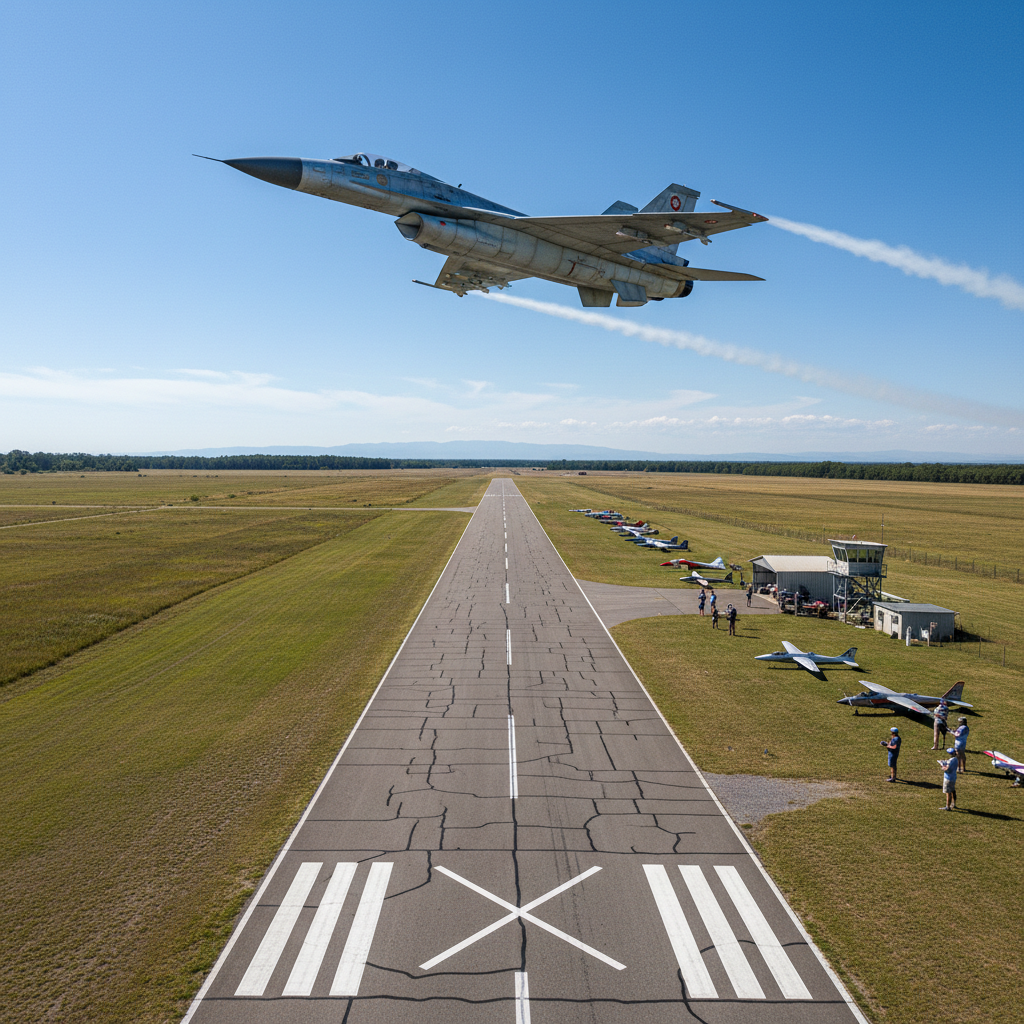
Wide angle view of model aircraft flying over airfield with runway visible below
AMA NATSCurtiss JennyM. Thornton · Muncie, IN
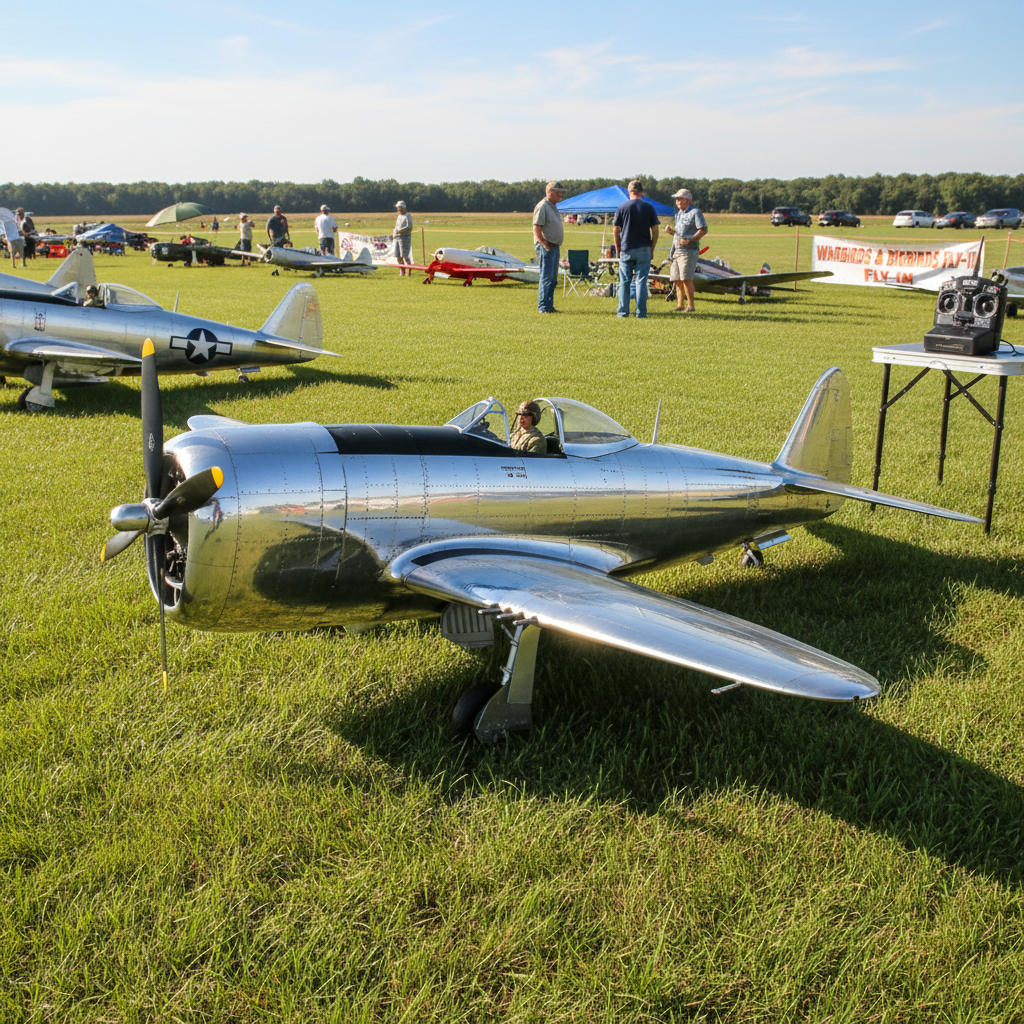
Scale model P-47 Thunderbolt with natural metal finish parked on grass at a club fly-in
Static DisplayP-47 ThunderboltD. Kowalski · Naperville, IL
Aerial photography from RC airplane showing landscape below, wide angle lens
AerialF-86 SabreJ. Okafor · Austin, TX
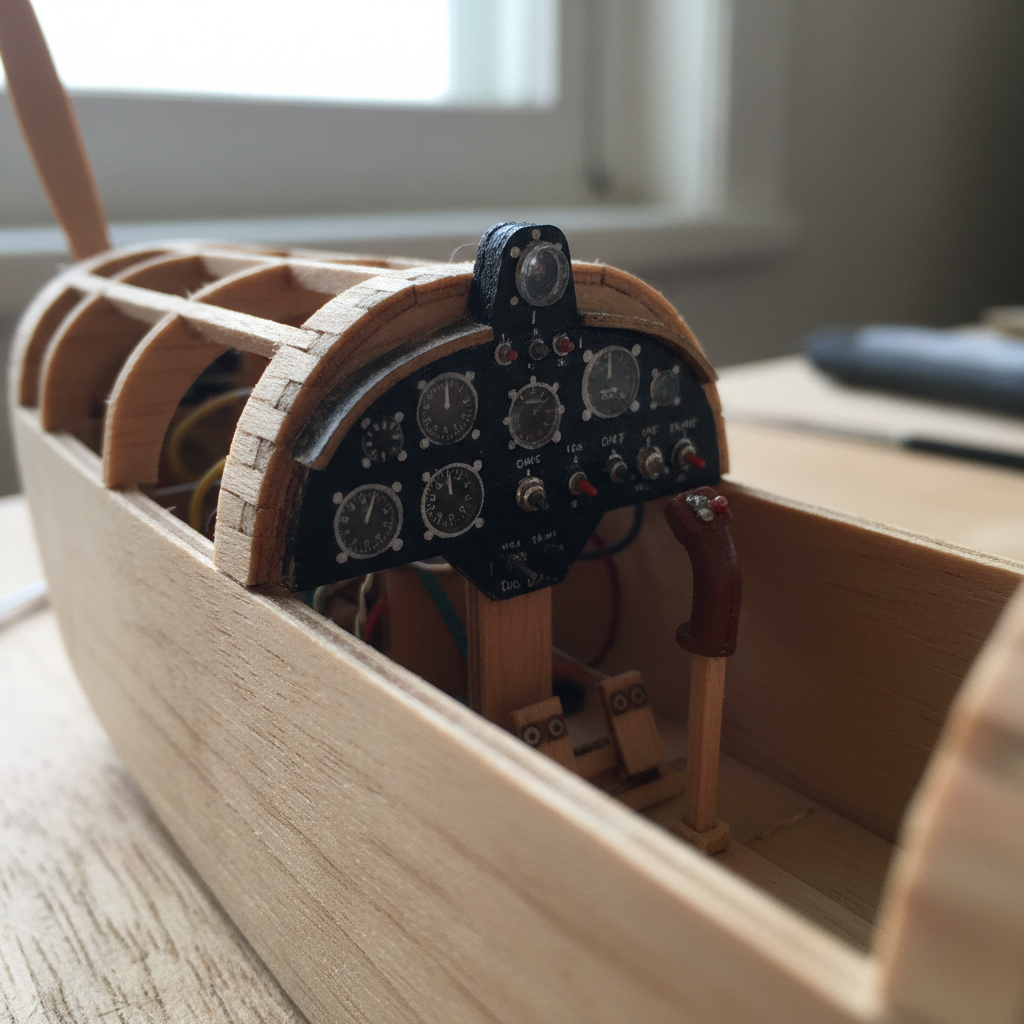
Detail shot of completed balsa model airplane cockpit with scratch-built instrument panel
DetailP-51 MustangS. Whitfield · Phoenix, AZ
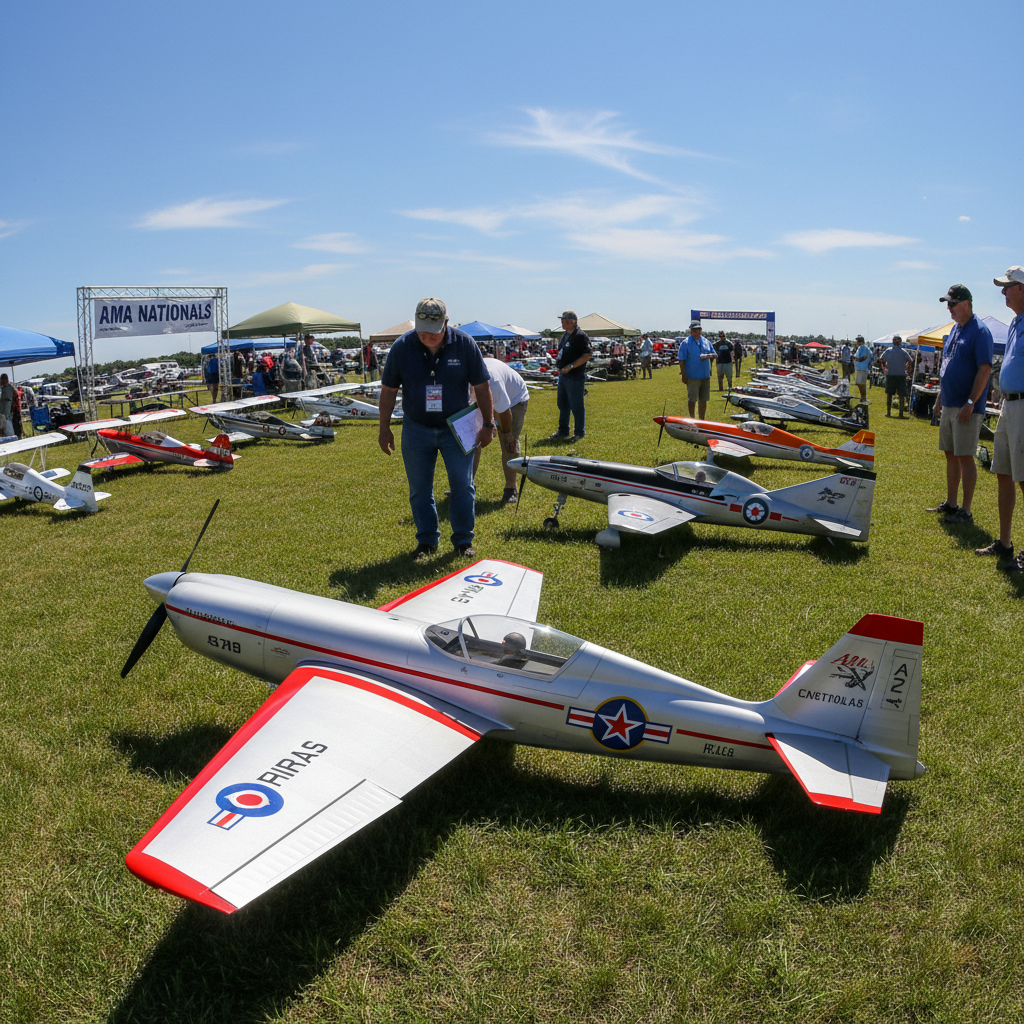
Group of RC model airplanes lined up for static judging at AMA competition
CompetitionMulti-SubjectT. Nakamura · San Jose, CA
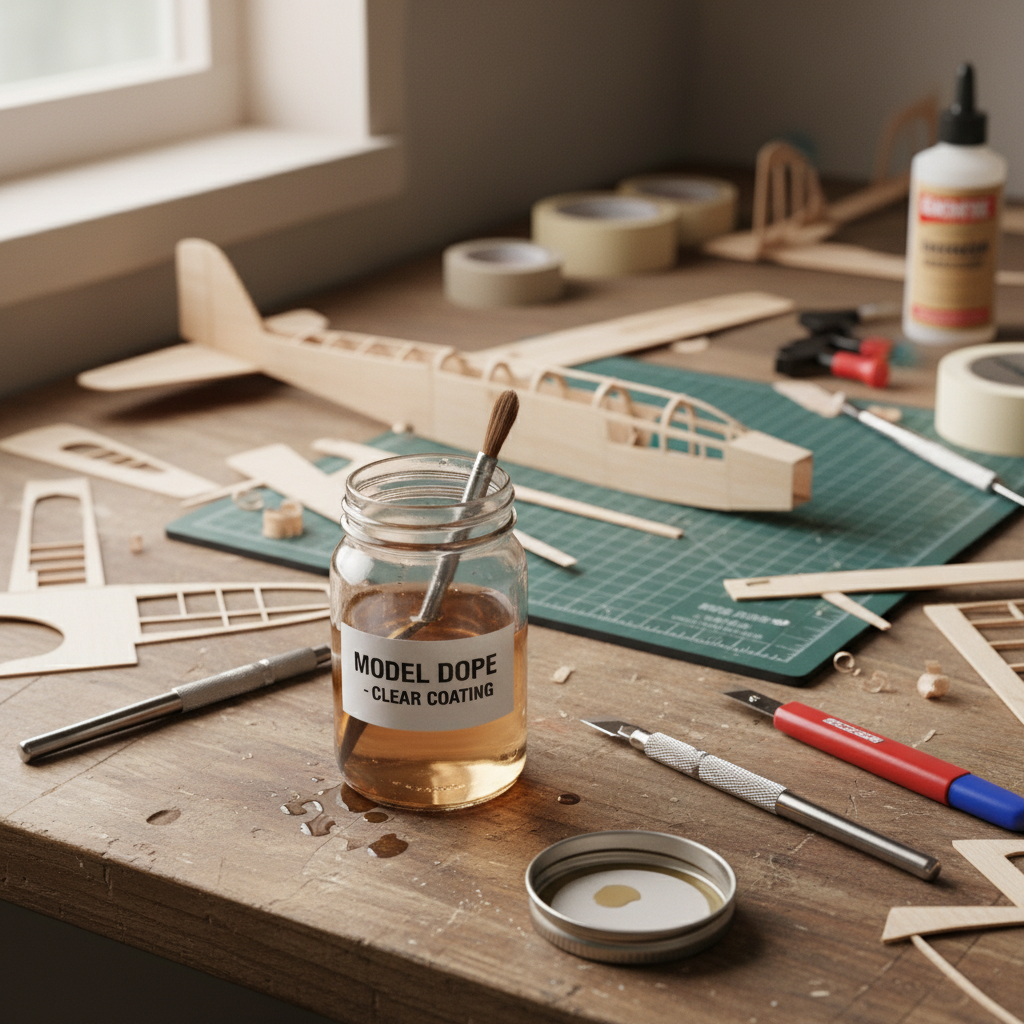
Workshop bench with balsa wood model airplane parts, X-Acto blades, and open jar of dope
Build ShopWorkshopP. Lim · Seattle, WA
Scale RC biplane performing aerobatic maneuver against clear blue sky
AerobaticsTiger MothG. Reyes · Dallas, TX
03 — Techniques

Muscle Memory,
Written Down

Step-by-step guides drawn from decades of workshop experience — the kind of knowledge that used to live only in club meeting conversations.

Covering

MonoKote Application on Compound Curves

Compound curves on a cowling or fuselage nose are where MonoKote either earns its reputation or reveals its limits. The heat gun technique that works on a flat stab will wrinkle badly on a rounded nose. Here is the method that actually works.
Patricia Lim·Techniques Editor
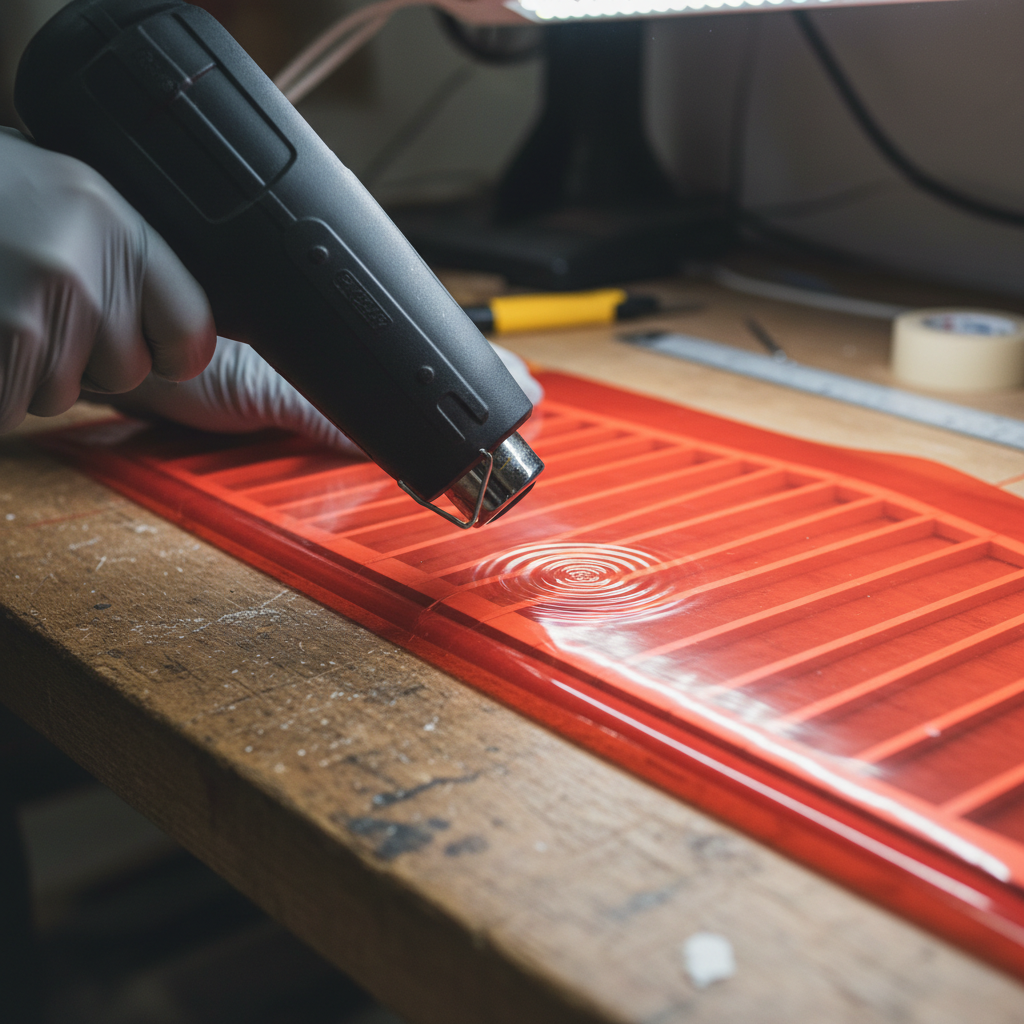
Heat gun being applied to MonoKote covering film laid flat on a workbench before application
01

Pre-shrink the MonoKote

Before applying to the model, lightly pass the heat gun over the entire piece at 18 inches. This removes manufacturing tension and prevents post-application wrinkles.
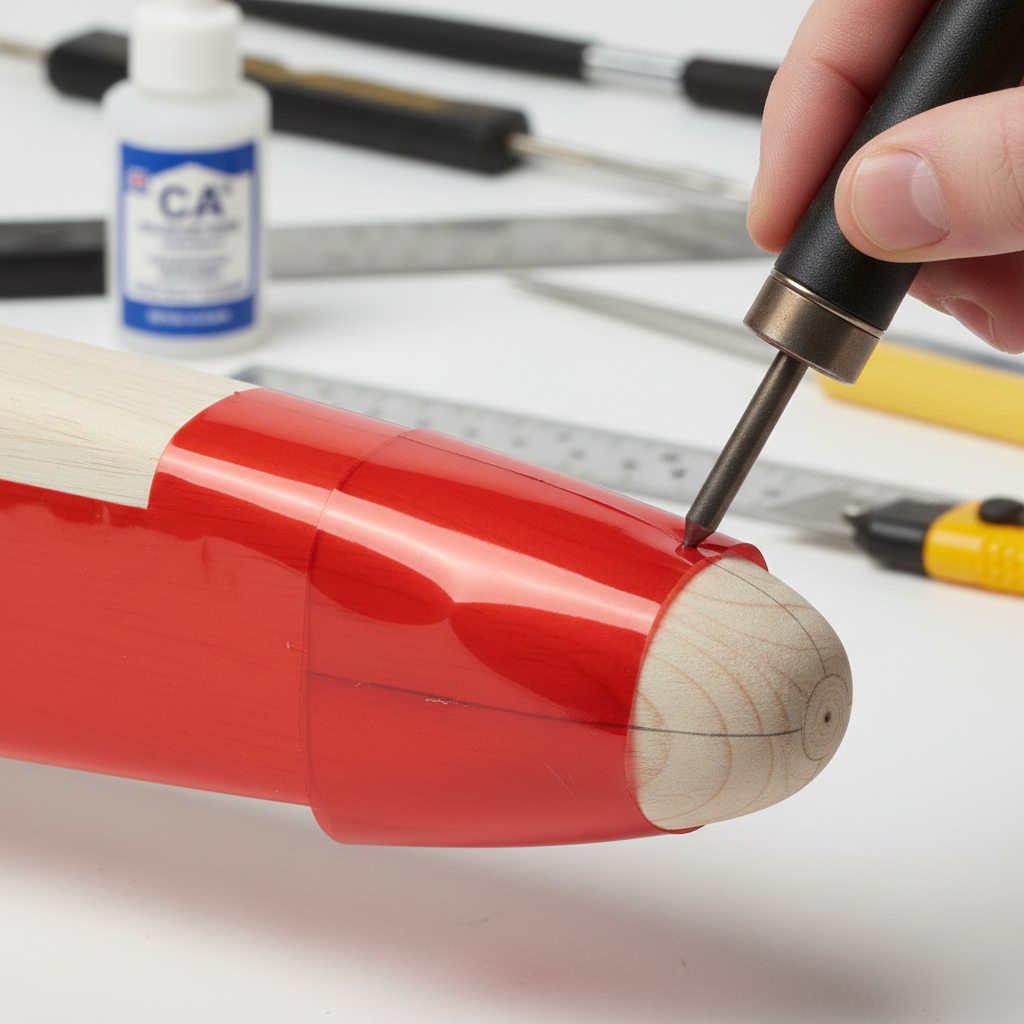
Close-up of MonoKote being tacked to the centerline of a balsa model airplane fuselage nose
02

Tack the center line first

On a round nose, find the centerline and tack a 1-inch strip. Work outward in both directions simultaneously to distribute the material evenly.
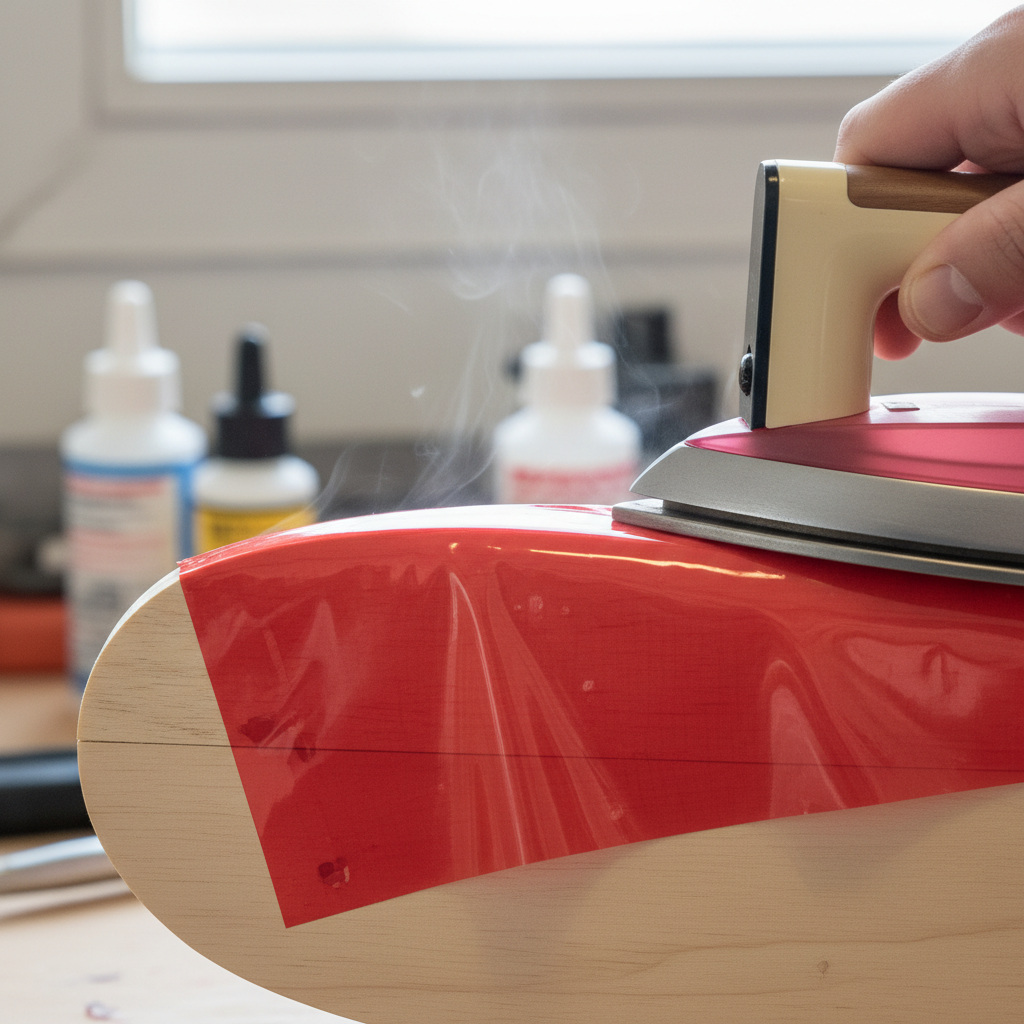
Covering iron being used to apply MonoKote to a curved balsa wood fuselage section
03

Apply heat from the inside out

Use a covering iron at 275°F. Work from the tacked centerline outward in 2-inch sections. The material will stretch into the curve without wrinkling if you maintain even tension.
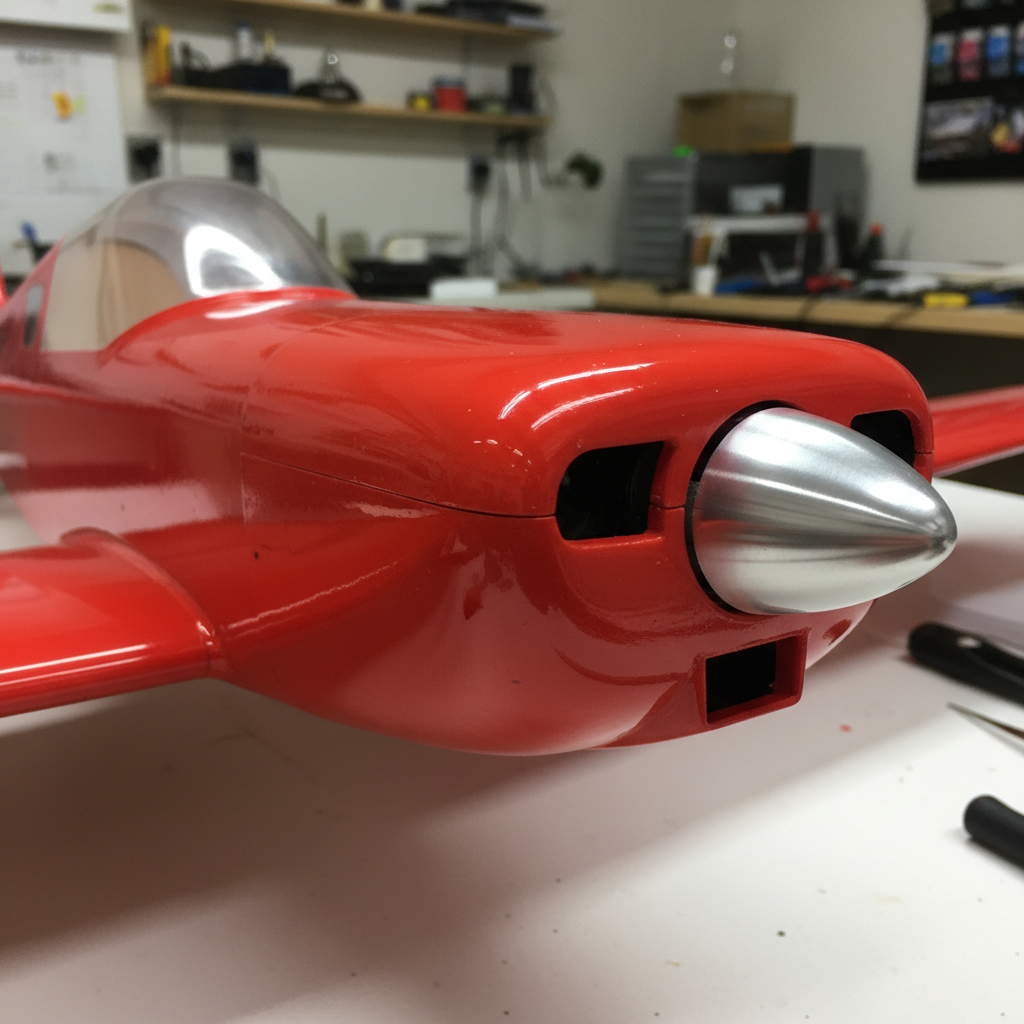
Finished MonoKote covered balsa airplane nose showing smooth wrinkle-free surface
04

Final shrink and edge seal

Once fully adhered, use the heat gun at 12 inches for a final full-surface shrink. Seal all edges with the iron tip. A properly covered nose should have zero wrinkles and ring like a drum when tapped.
4-step guide · Intermediate levelFull Technique Article
Sanding

Grain-Filling Balsa for a Glass Finish

Raw balsa grain shows through any covering or paint unless you fill it first. The traditional method — multiple coats of sanding sealer — still produces the best results when done systematically.

Thomas Nakamura·Scale Finishing Specialist
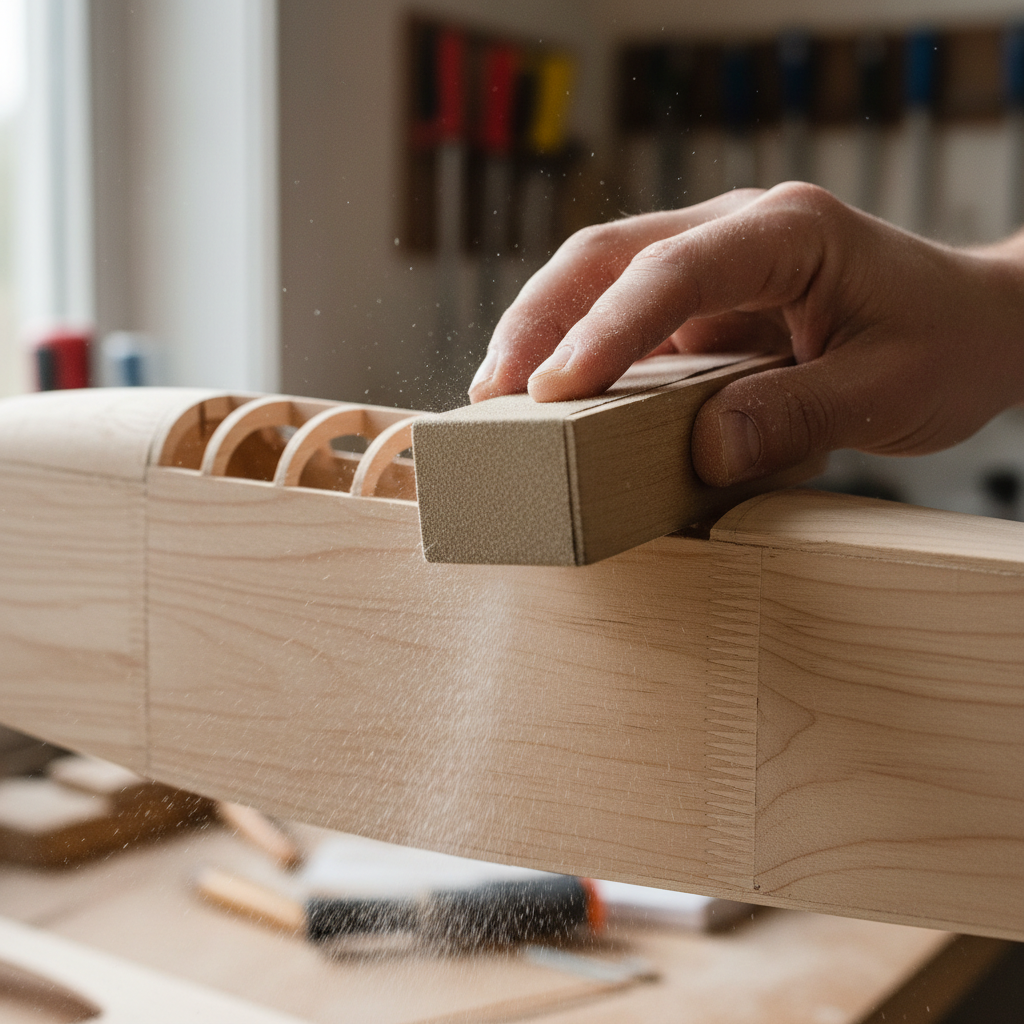
Sanding block being used on balsa wood airplane fuselage with 80-grit sandpaper across the grain
01

Start at 80-grit across the grain

Sand perpendicular to the wood grain first with 80-grit to knock down the high spots and open the grain for sealer penetration. Work with a sanding block, never bare fingers.

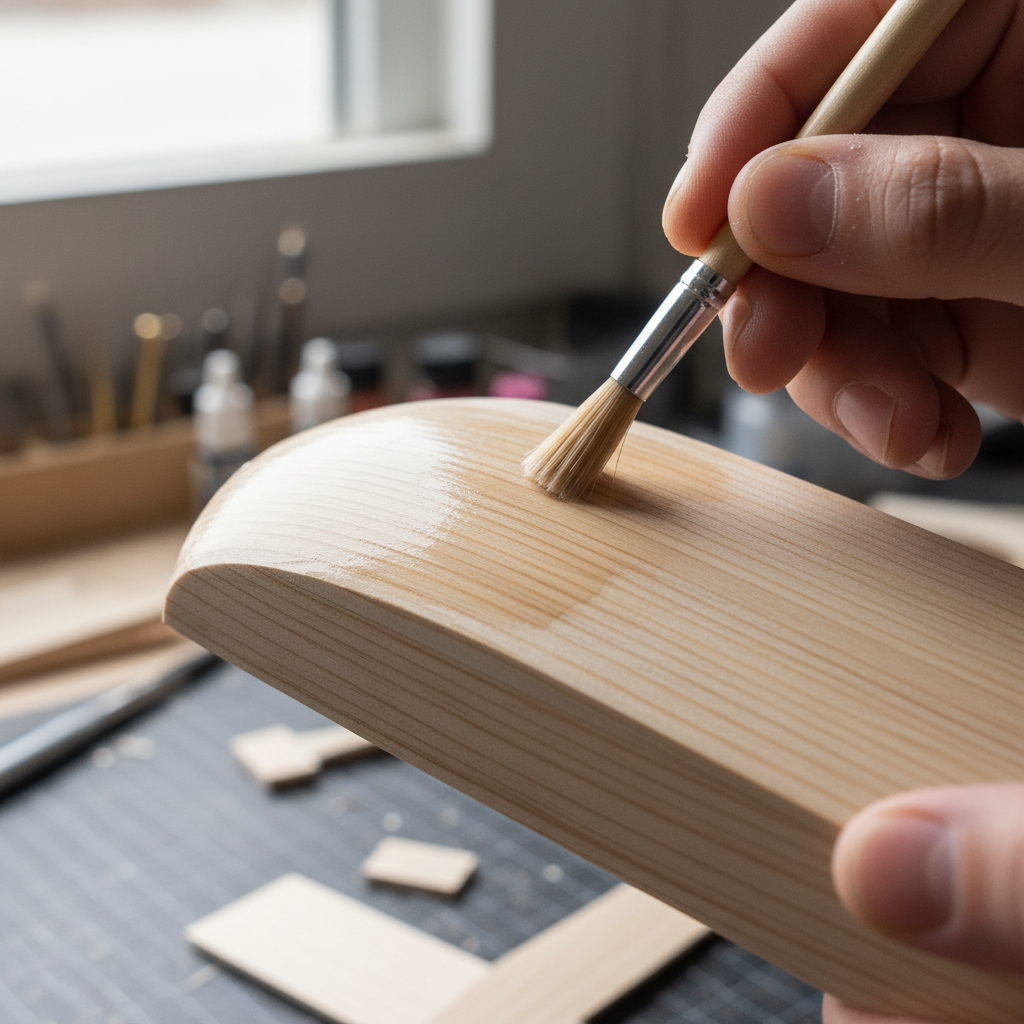
Applying thin sanding sealer coat to balsa wood model airplane fuselage with a brush
02

First sealer coat — thin and wet

Thin your sanding sealer 30% with lacquer thinner. Apply a wet coat and let it penetrate for 90 seconds before wiping off the excess. The grain will raise dramatically — this is correct.

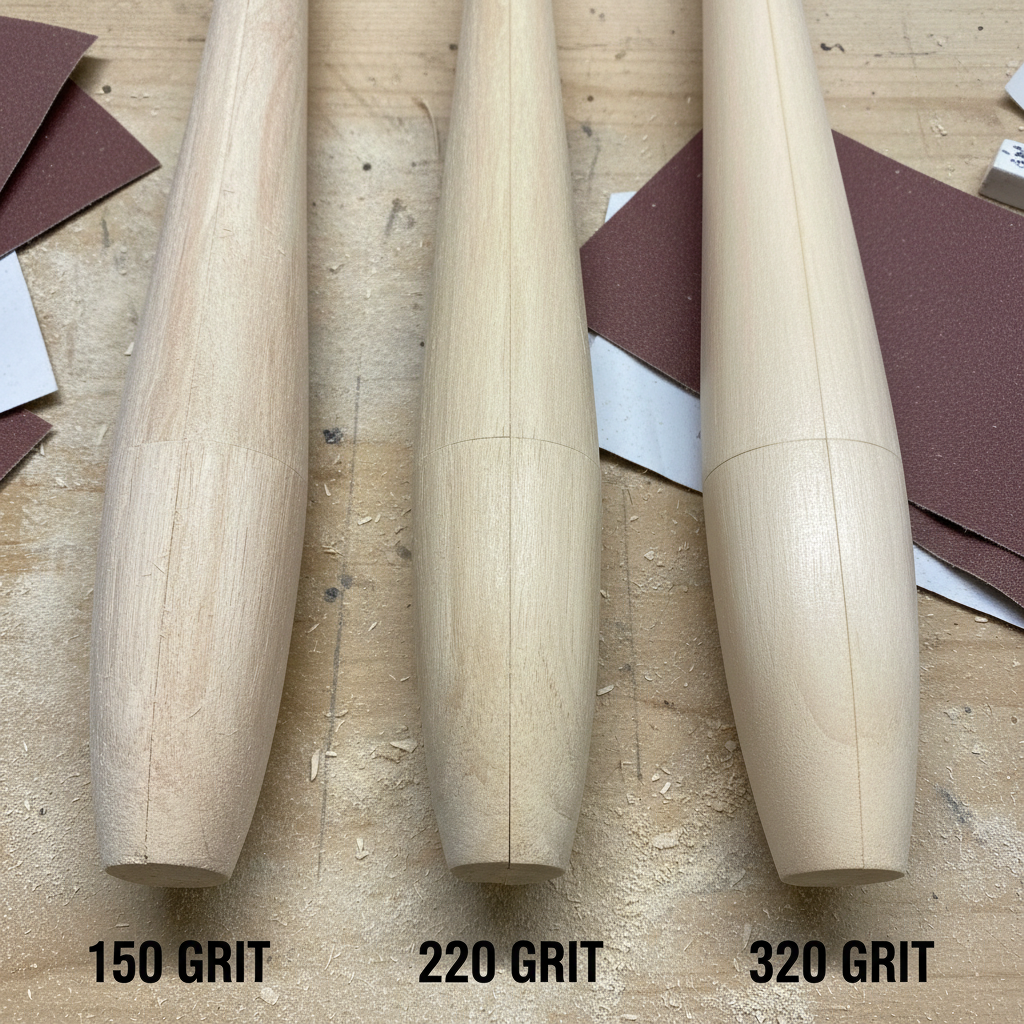
Progression of sanding grits from 150 to 320 on a balsa airplane fuselage showing increasingly smooth surface
03

Progress through 150 → 220 → 320

After the first sealer coat dries (2 hours), sand with 150-grit with the grain. Apply second coat, sand with 220. Third coat, sand with 320. You will feel the surface become glassy.

3-step guide · Intermediate levelFull Technique Article
05 — Community

Submit Your Build
Seed the Next Volume

"Every build log on this site started with someone brave enough to post the first photo of a pile of balsa sticks."

— Margaret Thornton, Contributing Editor
847Active Build Logs
14.2KCommunity Members
4,200+Photos Published